
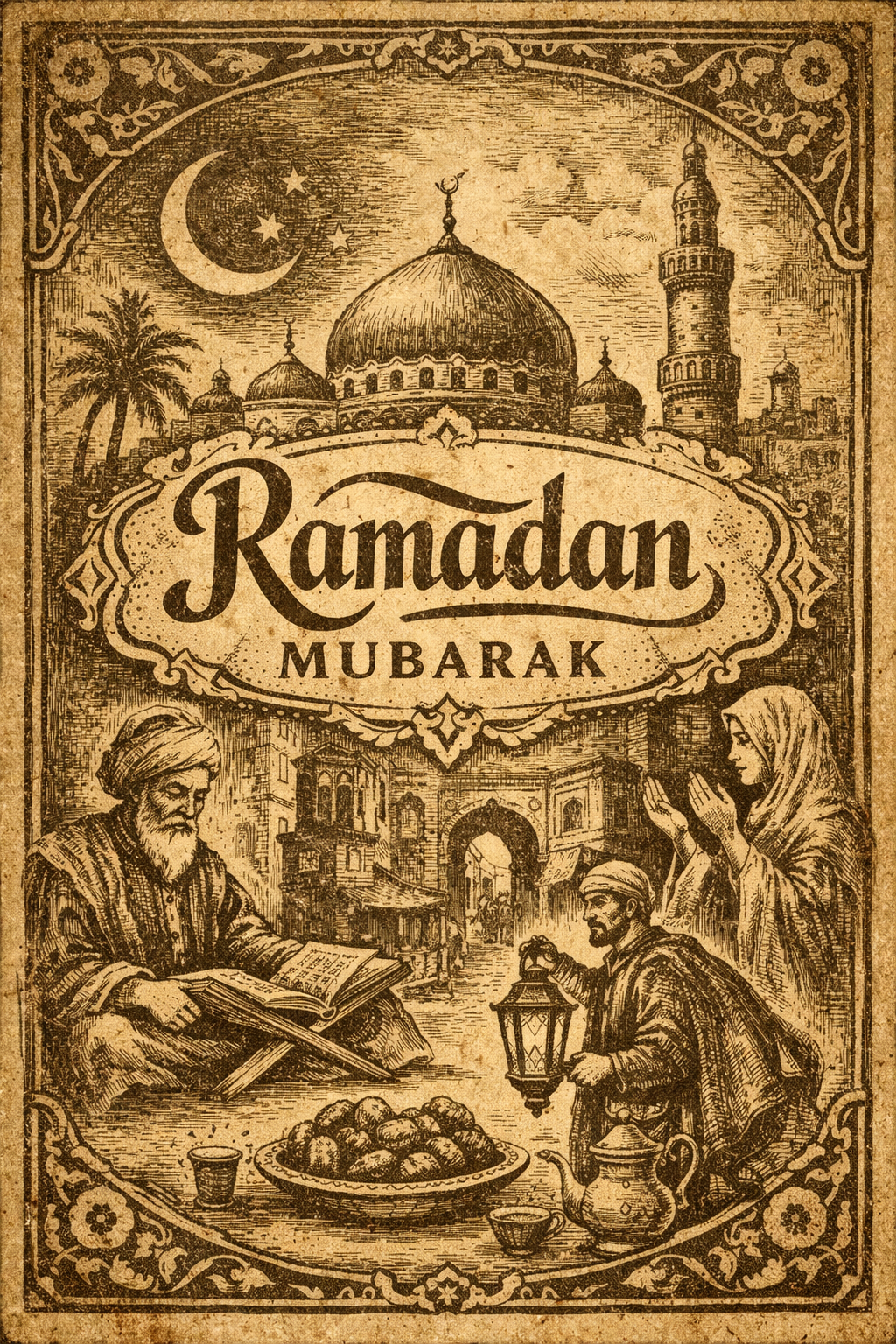
The phrase “Ramadan Mubarak meaning” is one of the most searched topics every year as the Islamic holy month approaches. People across the world hear it in greetings, social media posts, and messages from friends and colleagues, but many still wonder what it actually means and why it is so widely used.
In simple terms, “Ramadan Mubarak” is a traditional Arabic greeting used during Ramadan, the ninth month of the Islamic lunar calendar. It carries deep spiritual warmth and reflects good wishes for a blessed and meaningful month. In this article, you’ll learn the exact meaning of the phrase, its cultural and religious importance, how it is used, and how it differs from similar greetings like “Ramadan Kareem.”
What Does Ramadan Mubarak Mean?
Literal meaning of Ramadan Mubarak
At its core, the Ramadan Mubarak meaning is very straightforward. The phrase comes from two Arabic words: “Ramadan,” which refers to the holy month of fasting, and “Mubarak,” which means “blessed.” Together, they form the meaning “Blessed Ramadan.”
This greeting is commonly used by Muslims around the world at the beginning of Ramadan or when meeting someone who is observing the fast. It is a way of wishing others a month filled with peace, mercy, forgiveness, and spiritual growth.
Rather than being a casual “hello,” it is closer to a heartfelt blessing. It reflects the idea that Ramadan is not just a month of fasting, but a sacred time of reflection, prayer, and self-discipline.
Deeper spiritual meaning behind the phrase
Beyond its literal translation, the Ramadan Mubarak meaning carries a deeper spiritual intention. It is often understood as a short prayer or supplication asking God to bless the recipient during the holy month.
In Islamic tradition, Ramadan is a time when Muslims focus on strengthening their relationship with God through fasting, charity, and increased worship. Saying “Ramadan Mubarak” acknowledges this sacred journey and expresses hope that the person experiences mercy, forgiveness, and inner peace throughout the month.
This is why the greeting is often exchanged warmly between family members, friends, and even strangers—it creates a shared sense of unity and spiritual connection.
Cultural usage across the world
The use of “Ramadan Mubarak” varies slightly depending on region and culture, but the meaning remains the same. In South Asia, the Middle East, Africa, and many Western Muslim communities, it is widely used in both formal and informal settings.
People often say it:
- At the sighting of the Ramadan moon
- When greeting someone for the first time during the month
- In messages, cards, and social media posts
- During community gatherings and mosque visits
Its simplicity and warmth make it one of the most universal Ramadan greetings.
Ramadan Mubarak vs Ramadan Kareem
Key difference in meaning
While exploring the Ramadan Mubarak meaning, many people also come across another common phrase: “Ramadan Kareem.” Both are widely used, but they carry slightly different meanings.
“Ramadan Mubarak” means “Blessed Ramadan,” while “Ramadan Kareem” translates to “Generous Ramadan.”
The difference lies in emphasis. “Mubarak” focuses on blessing and spiritual goodness, while “Kareem” highlights generosity and giving.
Which greeting is more appropriate?
Both greetings are widely accepted in Muslim communities, and neither is incorrect. However, some scholars and language experts suggest that “Ramadan Mubarak” is more traditionally appropriate because blessings are attributed to God, while generosity is a divine trait rather than a characteristic of the month itself.
Despite these discussions, both phrases are used interchangeably in daily life, and the choice often depends on personal or regional preference.
How people use both greetings today
In modern communication, especially on social media, both greetings appear frequently during Ramadan. Some people even use them together or alternate between them depending on context.
Common usage includes:
- “Ramadan Mubarak to you and your family”
- “Wishing you a Ramadan Kareem filled with peace”
- “Ramadan Mubarak 🌙 May this month bring blessings”
Both expressions ultimately share the same goal: spreading goodwill and positivity during a sacred time.
The Importance of Ramadan in Islam
A month of fasting and self-discipline
To fully understand the Ramadan Mubarak meaning, it helps to understand Ramadan itself. Ramadan is the ninth month of the Islamic lunar calendar and is observed by Muslims worldwide through fasting from dawn to sunset.
Fasting involves abstaining from food, drink, and other physical needs during daylight hours. It is not just a physical act but also a spiritual practice aimed at self-control, patience, and mindfulness.
Spiritual reflection and prayer
Ramadan is also a time of deep spiritual reflection. Muslims increase their prayers, read the Quran more frequently, and try to improve their character and behavior.
Evenings are often spent in communal prayers and family gatherings. This creates a strong sense of community and spiritual unity that is unique to the month.
Charity and community connection
Another important aspect of Ramadan is charity. Muslims are encouraged to help those in need through acts of giving and generosity. This reinforces compassion and empathy within society.
The greeting “Ramadan Mubarak” fits naturally into this spirit, as it is itself an act of kindness and goodwill toward others.
How to Use Ramadan Mubarak Correctly
When and where to say it
Understanding the Ramadan Mubarak meaning also includes knowing how and when to use it properly. The phrase is typically used at the beginning of Ramadan or anytime during the month when greeting someone who is fasting.
It is appropriate in:
- Verbal greetings
- Text messages and chats
- Social media captions
- Greeting cards
Simple examples in daily conversation
People often use it in very natural ways, such as:
- “Ramadan Mubarak! Hope you have a peaceful month.”
- “Wishing you and your family Ramadan Mubarak.”
- “Ramadan Mubarak to all those observing.”
It is simple, respectful, and universally understood in Muslim communities.
FAQs About Ramadan Mubarak Meaning
Q: What does Ramadan Mubarak literally mean?
A: The literal Ramadan Mubarak meaning is “Blessed Ramadan.” It combines “Ramadan,” the Islamic month of fasting, and “Mubarak,” which means blessed. Together, it is a greeting that wishes someone a month full of blessings, mercy, and spiritual growth.
Q: Is it okay to say Ramadan Mubarak?
A: Yes, it is widely accepted and commonly used by Muslims around the world. It is considered a respectful greeting that expresses goodwill and blessings during the holy month of Ramadan.
Q: What is the difference between Ramadan Mubarak and Eid Mubarak?
A: “Ramadan Mubarak” is used during the month of Ramadan, while “Eid Mubarak” is used during Eid celebrations. Eid Mubarak means “Blessed Eid” and is said at the end of Ramadan or during Eid festivals.
Q: Can non-Muslims say Ramadan Mubarak?
A: Yes, non-Muslims can say “Ramadan Mubarak” as a respectful greeting. It is often appreciated as a gesture of kindness and cultural awareness during the holy month.
Q: Why do people say Ramadan Mubarak?
A: People say it to wish others a blessed and spiritually rewarding Ramadan. It reflects goodwill, unity, and shared respect for the sacred month of fasting and reflection.
Conclusion
The Ramadan Mubarak meaning goes far beyond a simple greeting. It is a heartfelt expression of blessings, peace, and spiritual goodwill shared during one of the most sacred months in Islam. By saying “Ramadan Mubarak,” people are not just greeting each other—they are wishing for mercy, forgiveness, and personal growth throughout Ramadan.
Understanding this phrase also helps us appreciate the values behind it: compassion, reflection, and unity. Whether used in person, online, or in written messages, it remains a timeless way to connect with others during a deeply meaningful time of the year.