
Have you ever started a new job and heard your manager refer to you or your colleagues as subordinates, only to wonder whether that label felt slightly uncomfortable? Understanding what does subordinate mean at work reveals one of the most fundamental concepts in workplace organization, yet it carries surprising emotional and political weight in modern professional environments. The word describes a basic hierarchical relationship that exists in virtually every organization, from small startups to massive multinational corporations, but its connotations and implications have shifted significantly as workplace culture has evolved.
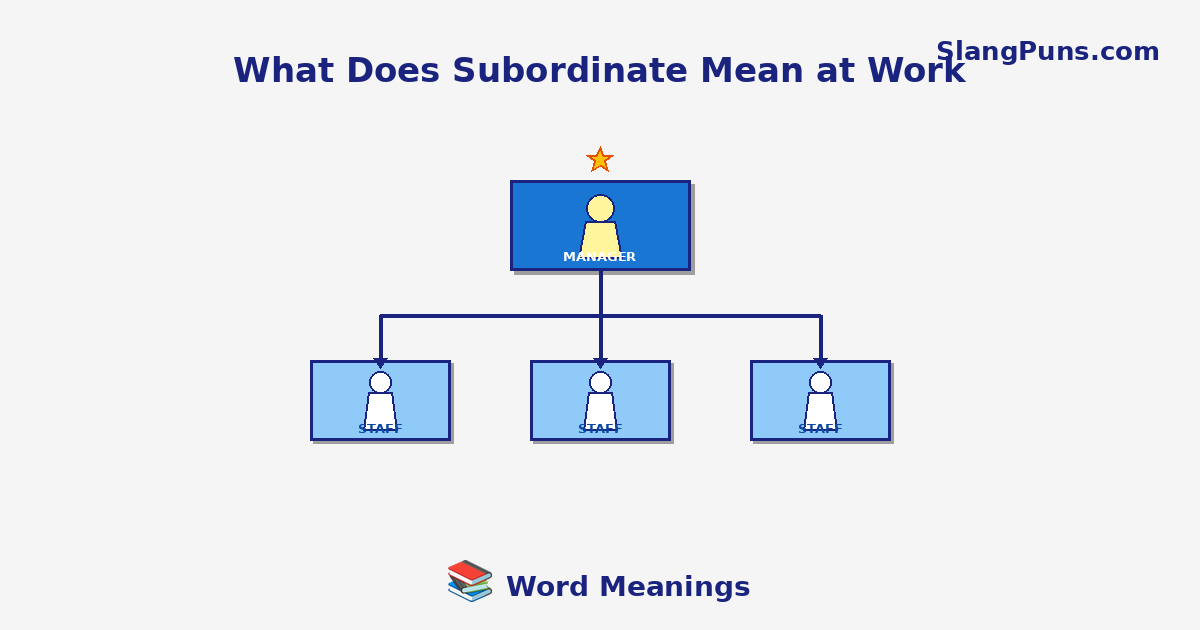
In its simplest form, a subordinate is someone who reports to and works under the authority of a higher-ranking employee. The relationship establishes who has decision-making authority, who assigns tasks, who conducts performance reviews, and who can take disciplinary action when needed. However, modern workplaces increasingly recognize that the word subordinate can sound dismissive or hierarchical in ways that conflict with contemporary management philosophies emphasizing collaboration, empowerment, and team dynamics. Exploring the full meaning of this term helps both managers and employees navigate workplace relationships more thoughtfully and effectively.
The Basic Definition of Subordinate
At its core, the word subordinate functions as both a noun and an adjective in workplace contexts. As a noun, a subordinate is a person who occupies a lower position in an organizational hierarchy than someone else. As an adjective, the word describes anything that ranks below or operates under the control of something else. Both uses share the fundamental concept of being lower in rank, status, or authority.
Etymology and Word Origins
The word subordinate comes from the Latin “subordinatus,” combining “sub” meaning “under” or “below” with “ordinare” meaning “to arrange in order” or “to set in order.” The Latin roots emphasize the idea of being arranged below something else in a structured hierarchy. This etymology reveals how deeply the concept of organized hierarchy is embedded in Western thought, with the word entering English through Medieval Latin and gradually taking on its modern professional meaning.
Dictionary Definitions
Major English dictionaries define subordinate consistently across publications. The Oxford English Dictionary describes a subordinate as a person under the authority or control of another within an organization. Merriam-Webster offers a similar definition, emphasizing the lower rank or position aspect. Cambridge Dictionary adds the useful nuance that subordinate often implies someone whose work is directed by someone of higher rank. These definitions together establish the term’s clear meaning while leaving room for the various contextual implications that have developed over time.
How Subordinate Relationships Function
In practical workplace terms, subordinate relationships involve specific dynamics that shape daily work life and long-term career development. Understanding these dynamics helps both managers and employees fulfill their roles more effectively while maintaining productive professional relationships.
Reporting Lines and Authority
Every subordinate has a direct supervisor or manager to whom they report on work matters. This reporting line establishes who assigns tasks, sets priorities, evaluates performance, approves leave requests, and handles disciplinary issues. Most organizations document these relationships through organizational charts that clearly show who reports to whom throughout the company. The clarity of these reporting lines helps prevent confusion about authority and accountability, though tensions can arise when employees receive conflicting directions from different managers.
Daily Work Coordination
The subordinate relationship affects how daily work gets coordinated. Subordinates typically receive assignments from their managers, complete those assignments according to established standards, and report back on progress. They may need approval for certain decisions, particularly those involving budget, customer commitments, or significant policy questions. The level of autonomy granted to subordinates varies enormously across organizations and individual relationships, with some managers micromanaging every detail while others provide broad direction and trust their team to execute appropriately.
Performance Management
Managers conduct performance reviews of their subordinates, typically on an annual basis though many organizations now use more frequent check-ins. These reviews assess whether subordinates are meeting expectations, identify areas for development, and inform decisions about compensation, promotion, and continued employment. The performance management relationship gives managers significant influence over their subordinates’ careers, making the quality of this relationship particularly important for both parties.
Mentorship and Development
Beyond pure supervision, the best subordinate relationships involve genuine mentorship, with managers investing time and effort in helping their direct reports grow professionally. This developmental aspect transforms what could be a purely transactional reporting relationship into a more meaningful professional partnership. Subordinates who have managers committed to their growth often advance faster in their careers and develop stronger skills than those whose managers focus only on task completion.
The Evolution of Workplace Hierarchy
The concept of subordinate has evolved significantly as workplace culture and management philosophy have changed over the past several decades. Understanding this evolution helps explain why the word carries different connotations today than it did in earlier eras.
Traditional Industrial Hierarchies
Throughout the industrial era and well into the 20th century, workplaces operated through clearly defined hierarchies modeled on military command structures. Factory floor workers reported to foremen, who reported to plant managers, who reported to executives. This rigid structure emphasized clear authority lines, formal communication channels, and unquestioning compliance with directives from above. Calling someone a subordinate in this era simply described their factual position without significant emotional weight.
The Knowledge Economy Transition
As economies shifted from manufacturing to knowledge work in the late 20th century, traditional hierarchical models began to feel inadequate. Knowledge workers often possessed expertise their managers lacked, making the simple top-down command model less effective. Companies began experimenting with flatter structures, matrix organizations, and team-based approaches that emphasized collaboration over command. The word subordinate started feeling outdated in environments where employees were expected to think creatively and contribute their unique expertise.
Modern Collaborative Workplaces
Contemporary workplaces increasingly emphasize partnership, empowerment, and shared decision-making rather than strict hierarchical control. Many modern managers prefer terms like team member, direct report, or team lead rather than supervisor or subordinate. This linguistic shift reflects deeper changes in how work gets done, with the most innovative organizations recognizing that hierarchical thinking can stifle the creativity and engagement they need to compete effectively in fast-changing markets.
Why Subordinate Sometimes Feels Uncomfortable
Despite being technically accurate, the word subordinate often makes modern employees uncomfortable when applied to them. Understanding why this discomfort exists helps explain ongoing changes in workplace language and culture.
Connotations of Inferiority
The word subordinate carries linguistic associations with being inferior, lesser, or beneath someone else. While the intended meaning describes only positional authority within an organization, the emotional connotations can suggest broader inferiority. Modern professionals, particularly those in skilled positions, generally do not see themselves as inferior to their managers despite reporting to them, making the term feel inappropriate even when technically accurate.
Tensions with Modern Values
Contemporary workplace values increasingly emphasize equality, mutual respect, and collaborative relationships. The hierarchical implications of subordinate can clash with these values, even when the underlying organizational reality involves clear authority differences. Many companies actively work to create cultures where everyone feels valued and respected regardless of their position in the formal hierarchy, making language that emphasizes hierarchy potentially counterproductive to the culture they want to build.
Generational Differences in Acceptance
Different generations of workers respond differently to hierarchical language. Older workers who grew up with traditional management approaches may be entirely comfortable being called a subordinate, viewing it as simple description of organizational reality. Younger workers, particularly Millennials and Gen Z, often find such language alienating and prefer terminology that emphasizes their value and contribution rather than their position in the hierarchy. These generational differences create real challenges for managers communicating across age groups.
Alternative Terms Used in Modern Workplaces
Many organizations now use alternative terms in place of subordinate when discussing their workforce. These linguistic choices reflect deeper philosophical positions about how organizations should function.
Direct Report
The phrase direct report has become extremely common in modern corporate language. Saying that someone is your direct report describes the same fundamental relationship as saying they are your subordinate, but with notably less hierarchical baggage. The phrase emphasizes the reporting relationship without suggesting the broader inferiority that subordinate can imply. This terminology has become standard in human resources discussions and management training programs across many industries.
Team Member
Calling someone a team member rather than a subordinate emphasizes their participation in collective work rather than their position below someone else in a hierarchy. This term suggests partnership and shared purpose, even when significant authority differences exist between team members. Many managers prefer this language because it builds the team-oriented culture they want to develop, even though it does not technically convey the authority relationship that subordinate clearly establishes.
Associate or Colleague
Some organizations, particularly retail and hospitality companies, refer to all employees as associates regardless of their position in the hierarchy. This egalitarian language reflects philosophies about workforce dignity and shared mission. Other organizations use colleague to describe everyone in the company, similarly emphasizing equality across positional differences. These terms can feel artificial in contexts where authority differences clearly matter, but they can also create genuinely different organizational cultures when applied consistently and authentically.
Junior or Senior
Some workplaces use seniority-based language like junior or senior team members to acknowledge experience differences without invoking strict hierarchy. A junior developer is clearly less experienced than a senior developer, but the language emphasizes the experience difference rather than positional authority. This approach works particularly well in technical fields where expertise and seniority strongly correlate with position, though it can become awkward when organizational structure does not match experience levels cleanly.
The Manager-Subordinate Relationship
The quality of the relationship between managers and their subordinates significantly affects both individual job satisfaction and organizational effectiveness. Research consistently shows that this relationship is one of the most important factors in employee engagement and retention.
Communication Patterns
Effective manager-subordinate relationships involve regular, two-way communication. Good managers schedule consistent one-on-one meetings with each subordinate, provide ongoing feedback rather than saving everything for annual reviews, and create environments where subordinates feel comfortable raising concerns or asking questions. Poor communication patterns, whether involving micromanagement, neglect, or unclear expectations, create significant problems for both managers and subordinates trying to do their jobs effectively.
Trust and Autonomy
The level of trust between managers and subordinates determines how much autonomy subordinates can effectively exercise. High-trust relationships allow subordinates to make decisions and take initiative without constant approval, dramatically increasing both their productivity and job satisfaction. Low-trust relationships require subordinates to seek approval for routine matters, creating bottlenecks and frustration for everyone involved. Building trust takes time and consistent demonstration of competence and good judgment from both parties.
Support and Advocacy
The best managers serve as advocates for their subordinates within the broader organization, fighting for resources, recognition, and opportunities on their behalf. Subordinates who feel their managers genuinely support them often perform much better than those who feel ignored or undervalued. This support function extends to defending subordinates from unreasonable demands from other parts of the organization and ensuring they get credit for their contributions to organizational success.
Common Challenges in Subordinate Roles
Working as a subordinate to someone else involves specific challenges that vary based on the manager, organization, and individual circumstances. Understanding these challenges helps subordinates navigate their roles more effectively and recognize when problems require attention.
Dealing with Difficult Managers
Some subordinates face the challenge of working under genuinely difficult managers who may be poor communicators, lack relevant expertise, exhibit favoritism, or even engage in inappropriate behavior. These situations create significant stress and can damage careers if not handled thoughtfully. Strategies for managing up include documenting interactions carefully, building relationships with skip-level managers when possible, seeking allies within the organization, and ultimately being willing to seek other opportunities when situations cannot be improved.
Balancing Loyalty and Growth
Subordinates often face tension between loyalty to their current manager and pursuit of their own career growth. A manager who depends heavily on a particular subordinate may resist promotions that would take that person elsewhere in the organization. Skilled subordinates learn to navigate these tensions by communicating their career goals clearly while continuing to perform excellently in their current role, building their own professional reputation independent of their immediate manager’s preferences.
Disagreeing Productively
One of the most challenging aspects of being a subordinate involves disagreeing with managers on important matters. Unable to simply override their decisions, subordinates must find ways to express concerns, advocate for alternative approaches, and sometimes accept decisions they disagree with. Doing this well requires emotional intelligence, communication skills, and judgment about which battles are worth fighting and which require simply moving forward despite disagreement.
The Subordinate Role in Different Industries
The experience of being a subordinate varies dramatically across different industries, with some sectors emphasizing strict hierarchy while others have largely abandoned traditional reporting structures. Understanding these industry differences helps both job seekers and current employees navigate their workplaces.
Military and Government Hierarchies
Military and government organizations maintain strict hierarchical structures with formal rank systems and clear chains of command. The word subordinate carries specific technical meaning in these environments without the discomfort it might create in other settings. Military subordinates follow specific protocols for addressing superiors, executing orders, and reporting up the chain of command. These formal structures developed for good reasons related to clear accountability in life-or-death situations, though they can sometimes feel rigid in administrative roles.
Corporate Environments
Traditional corporate environments maintain hierarchies but vary widely in how strictly they enforce them. Investment banks and law firms tend to be highly hierarchical, with junior staff clearly subordinate to senior partners and executives. Technology companies often have flatter structures with less rigid hierarchy. The cultural expectations around addressing superiors, dress codes, and decision-making authority differ significantly between these corporate sub-types, making industry research crucial for job seekers entering professional positions.
Creative and Knowledge Industries
Creative industries like advertising, journalism, and entertainment, along with knowledge work fields like consulting and academia, often have complex hierarchies that combine formal positions with informal status based on creative achievement. A junior creative might have significant influence if their ideas consistently produce strong results, regardless of their formal position in the hierarchy. These industries reward expertise and creativity over pure positional authority, making the subordinate label feel particularly inadequate for describing actual workplace dynamics.
Service and Retail Industries
Service and retail industries often have clear hierarchical structures with shift supervisors, store managers, district managers, and corporate executives. Frontline workers in these industries are clearly subordinate to multiple layers of management above them. The relationship between corporate decisions and frontline implementation creates particular challenges in these industries, with frontline subordinates often dealing with the consequences of decisions made far above them in the hierarchy.
Frequently Asked Questions
Q1: Is being called a subordinate insulting?
Calling someone a subordinate is technically accurate description rather than an insult, but the word can feel uncomfortable due to its connotations of inferiority. Most modern professionals prefer terms like direct report, team member, or colleague. Whether the word feels insulting depends heavily on context, how it is used, and individual sensitivities. In formal organizational discussions or older workplaces, subordinate may be entirely neutral. In casual conversation or modern corporate cultures emphasizing equality, the word may feel out of place even when technically correct.
Q2: What is the difference between a subordinate and an employee?
All subordinates are employees, but not all employees are subordinates in the same relationship. The word employee describes someone who works for an organization in exchange for compensation. Subordinate specifically describes the relationship between a particular employee and their direct supervisor or manager. An executive employee is still an employee of the company but is not subordinate to anyone except perhaps the board of directors. The distinction matters because subordinate emphasizes the specific reporting relationship rather than general employment status.
Q3: How should you address your manager if you are their subordinate?
How to address your manager depends entirely on your organization’s culture and your specific relationship. Many modern workplaces use first names for everyone regardless of position. More formal organizations may expect titles like Mr., Ms., or Dr. followed by surname, particularly for senior executives. The safest approach in any new situation is to follow the lead of more experienced colleagues, observe how others address the manager, and ask directly if uncertainty persists. When in doubt, slightly more formal address rarely causes problems while overly casual address occasionally does.
Q4: Can a subordinate disagree with their manager openly?
Whether subordinates can openly disagree with managers depends on organizational culture and the specific relationship. Healthy workplaces encourage respectful disagreement and recognize that subordinates often have valuable perspectives their managers may lack. However, the manner of disagreement matters enormously. Disagreeing privately and respectfully usually works better than challenging managers publicly. Once a decision is made, even subordinates who disagreed during discussion typically need to support implementation rather than continuing to argue. The skill lies in expressing disagreement productively rather than avoiding it entirely.
Q5: What rights do subordinates have at work?
Subordinates have all the rights afforded to employees under applicable laws, including protections against discrimination based on protected characteristics, freedom from harassment, rights to safe working conditions, and entitlements like minimum wage, overtime pay where applicable, and family medical leave. Being subordinate does not diminish these legal protections in any way. Beyond legal rights, subordinates typically have rights established by company policies, employment contracts, and union agreements where applicable. Understanding these rights helps subordinates protect themselves while building productive working relationships with their managers.
Building a Successful Career as a Subordinate
While the word subordinate may carry uncomfortable connotations, the reality is that most professionals spend significant portions of their careers in subordinate positions. Approaching these positions strategically helps build successful long-term careers regardless of the language used to describe the role.
Excellence as Foundation
The most important strategy for any subordinate is performing their current job excellently. Strong performance creates options, builds reputation, and earns the trust that leads to greater autonomy and faster advancement. Subordinates who focus on doing their current work well, rather than constantly looking ahead to their next role, often advance faster than those who appear distracted by ambition. Excellence in routine tasks builds the foundation for handling more complex challenges later.
Building Manager Relationships
Strong relationships with managers significantly accelerate career growth. This means understanding what your manager prioritizes, communicating proactively about progress and obstacles, anticipating their needs before being asked, and supporting their broader goals. The best subordinate-manager relationships involve genuine mutual respect and partnership rather than purely hierarchical dynamics. Investing in these relationships pays dividends throughout careers, both within current companies and as references for future opportunities.
Strategic Self-Development
Successful subordinates take responsibility for their own professional development rather than waiting for their organizations to develop them. This includes pursuing relevant training, building skills that match where they want to go, networking within and beyond their current organizations, and seeking feedback that helps them improve. Self-developed professionals often advance faster because they bring more capabilities to each new opportunity, making them attractive candidates for promotions and external positions alike.
When Subordinate Status Should Concern You
While being a subordinate is a normal part of professional life, certain situations should raise concerns that warrant attention. Recognizing these warning signs helps subordinates protect their interests and careers.
Stagnation Without Growth
If you have remained in the same subordinate position for years without meaningful growth in responsibilities, skills, or compensation, this stagnation should concern you. Healthy professional progression typically involves expanding capabilities and responsibilities over time, even if formal title changes happen less frequently. Long-term stagnation may indicate problems with your current organization, manager, or career strategy that require attention before they damage your long-term prospects.
Inappropriate Power Dynamics
The hierarchical nature of subordinate relationships creates potential for abuse if managers misuse their authority. Inappropriate behaviors include pressuring subordinates to work unreasonable hours, demanding personal favors, retaliating against legitimate concerns, or creating hostile environments. When such situations arise, subordinates should document carefully, seek appropriate help through human resources or legal channels, and recognize that no employment relationship justifies tolerating genuinely abusive treatment.
Conclusion
Understanding what subordinate means at work reveals much more than a simple definition would suggest. The word describes a fundamental organizational relationship that shapes daily work life for billions of people worldwide, yet its connotations and applications vary dramatically across industries, cultures, and historical periods. While modern workplace language increasingly favors alternatives like direct report or team member, the underlying reality of hierarchical authority remains central to how most organizations function.
The discomfort many modern professionals feel with the word subordinate reflects deeper changes in workplace expectations and values. Today’s employees often see themselves as collaborators and contributors rather than simply people lower in a hierarchy, even when their actual organizational position fits the technical definition of subordinate. This shift represents genuine progress in workplace culture, with many organizations producing better results through collaborative approaches than they ever achieved through strict command-and-control management. Yet hierarchical authority remains necessary for coordinating complex work, making decisions when consensus is impossible, and providing accountability throughout organizations.
For working professionals, the most valuable insight involves recognizing that being a subordinate is simply one phase in long careers that often involve being subordinate to some people while supervising others, with most senior positions still involving subordinate relationships to boards, investors, or other stakeholders. The key skills involve performing excellently in subordinate roles, building strong relationships with managers, taking responsibility for self-development, and recognizing when situations require advocacy or change. These same skills serve professionals well throughout every stage of their careers, regardless of where they currently sit in any organizational hierarchy.
The continuing evolution of workplace language and culture suggests that words like subordinate will continue shifting in meaning and acceptance over time. Perhaps future generations will find our current debates about hierarchical language quaint, having developed entirely different ways of organizing work and describing professional relationships. For now, understanding both the technical meaning and the cultural implications of subordinate helps professionals navigate workplaces effectively, communicate appropriately across generational and organizational differences, and build the careers and relationships they want despite the complexities of modern professional life.
Whether you are currently a subordinate to multiple managers, supervising several subordinates yourself, or somewhere in between, the dynamics of hierarchical workplace relationships affect your daily experience and long-term career prospects. By approaching these relationships thoughtfully, performing excellently, building genuine connections with both managers and direct reports, and continuing to develop professionally throughout your career, you can succeed in any role within any organizational structure while maintaining your dignity, satisfaction, and long-term well-being.